Financial Impact: Upgrading to Energy-Efficient Refrigerators – Saving Up to $50 Annually
Advertisements
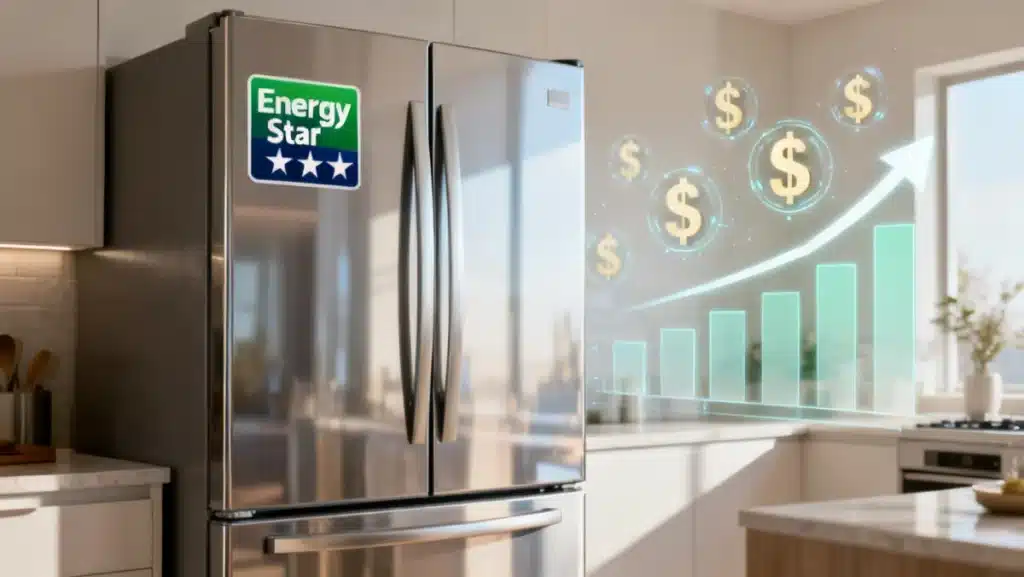
Upgrading to energy-efficient refrigerators delivers a tangible financial impact: upgrading to energy-efficient refrigerators – saving up to $50 annually. This move is a smart investment for household budgets.
The long-term benefits extend beyond immediate savings, contributing to overall household financial stability. This insight is crucial for consumers making informed appliance decisions.
Understanding the real-world savings helps homeowners prioritize upgrades that offer significant returns. This informs strategic spending on home improvements.
Advertisements
The decision to invest in new home appliances often comes down to more than just features and aesthetics. For many American households, the Financial Impact: Upgrading to Energy-Efficient Refrigerators – Saving Up to $50 Annually is a critical factor.
As energy costs continue to fluctuate, understanding how a modern, energy-efficient refrigerator can reduce monthly expenses has become increasingly important. This article delves into the tangible benefits and considerations.
Financial Impact: Upgrading to Energy-Efficient Refrigerators – Saving Up to $50 Annually
The push for energy efficiency in home appliances is not merely an environmental initiative; it carries significant financial implications for consumers. Homeowners are increasingly examining the operational costs of their devices, particularly large ones like refrigerators.
The upfront cost of a new appliance is often offset by long-term savings. This makes the Financial Impact: Upgrading to Energy-Efficient Refrigerators – Saving Up to $50 Annually a compelling reason for an upgrade.
Consumers seeking to optimize their household budgets find these savings particularly attractive. This trend reflects a broader awareness of utility expenses.
Understanding the True Cost of Refrigeration
Many homeowners overlook the continuous energy consumption of their refrigerators, which operate 24/7. Older models, in particular, can be significant energy hogs, draining more power than necessary.
The perceived cost of a refrigerator often stops at the purchase price, but its operational cost over its lifespan is substantial. This hidden expense contributes to higher utility bills.
Newer, energy-efficient models are designed to minimize this ongoing expense. They offer a clear path to reducing household energy consumption and realizing the benefits of the Financial Impact: Upgrading to Energy-Efficient Refrigerators – Saving Up to $50 Annually.
The Inefficiency of Older Models
Refrigerators manufactured before 2000 typically consume significantly more electricity than today’s models. Their insulation degrades over time, and their compressors are less efficient.
These older units lack advanced features like variable-speed compressors and improved door seals. Such deficiencies directly translate into higher energy usage and increased costs.
Technological Advancements Driving Savings
Modern refrigerators incorporate a range of innovations to enhance energy efficiency. These technologies are central to achieving annual savings.
- Improved insulation materials reduce heat transfer, requiring less energy to maintain cold temperatures.
- Variable-speed compressors adjust cooling power based on demand, avoiding constant full-power operation.
- Advanced temperature sensors and electronic controls optimize performance, preventing unnecessary energy expenditure.
- Better door seals and magnetic closures minimize cold air leakage, ensuring efficient temperature retention.
Quantifying the Savings: Up to $50 Annually
For many households, the prospect of saving money on electricity bills is a strong motivator for appliance upgrades. The estimated savings from an energy-efficient refrigerator can be quite impactful over time.
While individual savings vary based on electricity rates and usage habits, estimates suggest a homeowner can save up to $50 annually. This figure highlights the direct Financial Impact: Upgrading to Energy-Efficient Refrigerators – Saving Up to $50 Annually.
These savings accumulate, making the initial investment more justifiable. It represents a tangible return on investment for the consumer.
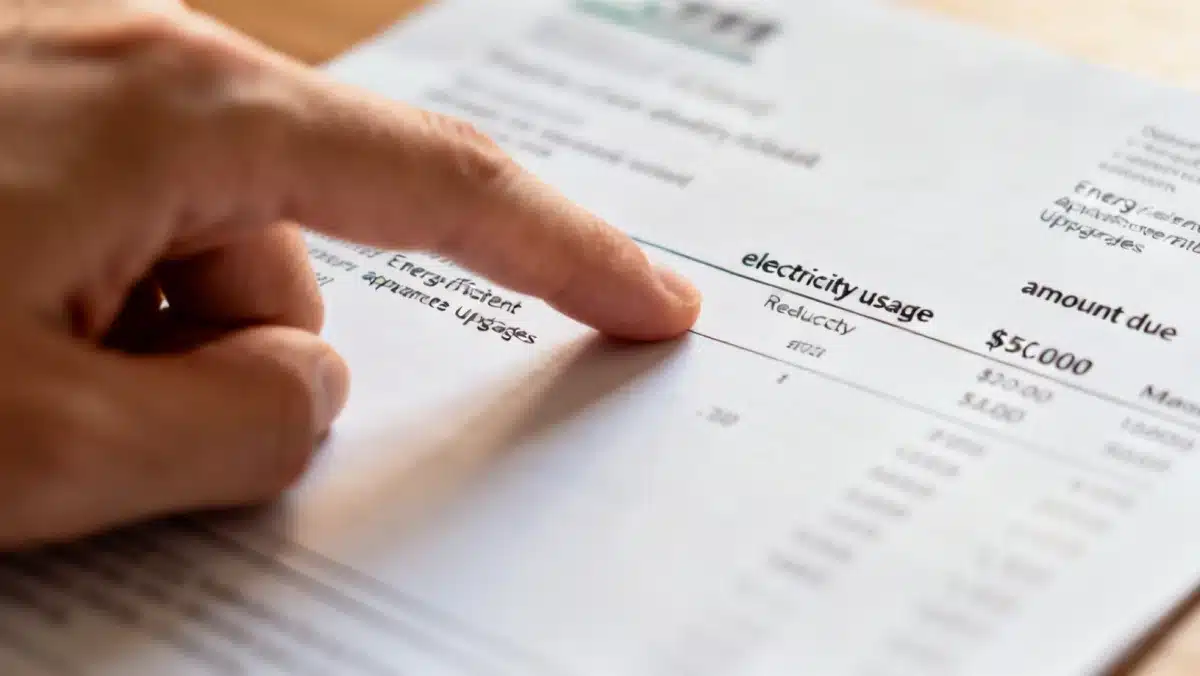
The exact amount saved depends on several factors, including the age of the old refrigerator and local electricity prices. However, the general trend points toward substantial reductions in operating costs.
Calculating Potential Returns
To estimate your specific savings, consider your current refrigerator’s energy consumption (often found on the EnergyGuide label) and compare it with a new, energy-efficient model. Multiply the difference in kilowatt-hours by your local electricity rate.
For example, if an old refrigerator uses 800 kWh/year and a new one uses 400 kWh/year, and electricity costs $0.12/kWh, the annual savings would be (800-400) * $0.12 = $48. This illustrates the direct Financial Impact: Upgrading to Energy-Efficient Refrigerators – Saving Up to $50 Annually.
Beyond Electrical Savings: Other Benefits
While electricity savings are paramount, other benefits contribute to the overall value proposition. These include reduced maintenance and improved food preservation.
Newer refrigerators often come with better warranties and are less prone to breakdowns. This minimizes repair costs and inconveniences, adding to the financial appeal.
Choosing the Right Energy-Efficient Model
Navigating the market for new refrigerators can be overwhelming, given the multitude of brands, features, and price points. However, focusing on energy efficiency simplifies the decision-making process.
The Energy Star label is your primary guide. Appliances with this certification meet strict energy efficiency guidelines set by the U.S. Environmental Protection Agency and Department of Energy.
Prioritizing models with higher Energy Star ratings ensures maximum long-term savings. This approach helps consumers make economically sound choices.
Key Features to Look For
When shopping, consider features that directly impact energy consumption. These elements ensure you maximize the Financial Impact: Upgrading to Energy-Efficient Refrigerators – Saving Up to $50 Annually.
French door models with bottom freezers are often more energy-efficient than side-by-side units. This is due to better internal temperature zoning.
Look for refrigerators with smart technology that can learn usage patterns and optimize cooling. This contributes to reduced energy waste and smarter operation.
The Environmental Aspect and Rebates
Beyond personal financial gain, upgrading to an energy-efficient refrigerator also carries significant environmental benefits. Reduced energy consumption leads to a smaller carbon footprint.
This commitment to sustainability aligns with broader societal goals for environmental protection. It positions consumers as active participants in climate action.
Many utility companies and government programs offer rebates and incentives for purchasing Energy Star-certified appliances. These programs further enhance the Financial Impact: Upgrading to Energy-Efficient Refrigerators – Saving Up to $50 Annually, making the upgrade even more attractive.
Leveraging Available Incentives
Before making a purchase, research local and federal rebate programs. These incentives can significantly lower the upfront cost of a new appliance.
Some programs offer cash rebates, while others provide tax credits. Combining these with long-term energy savings creates a compelling financial argument for upgrading.
Lifecycle Costs Versus Initial Investment
It is crucial to consider the total cost of ownership, not just the initial purchase price, when buying a new refrigerator. This perspective reveals the true value of an energy-efficient model.
A cheaper, less efficient refrigerator might save money upfront but cost more over its lifespan in electricity bills. This highlights the importance of long-term planning.
The Financial Impact: Upgrading to Energy-Efficient Refrigerators – Saving Up to $50 Annually demonstrates how a higher initial investment can lead to overall savings. This makes it a financially savvy decision.
Long-Term Financial Planning
Factoring in energy savings over 10-15 years, the typical lifespan of a refrigerator, can reveal substantial cumulative benefits. This extended view supports the investment.
For example, saving $50 annually over 10 years amounts to $500. Over 15 years, this becomes $750, a noteworthy sum that can offset a significant portion of the purchase price.
What Happens Now
The growing emphasis on sustainability and cost-efficiency means that energy-efficient appliances will continue to evolve. Consumers can expect even greater savings and more advanced features in the future.
The trend towards smart homes and integrated systems will further optimize energy usage. This will enhance the overall Financial Impact: Upgrading to Energy-Efficient Refrigerators – Saving Up to $50 Annually.
Staying informed about new models and available incentives is key for maximizing savings. This proactive approach ensures households continue to benefit from technological advancements.