Practical Solutions: Selecting the Best Fitness Tracker – 8 Metrics to Monitor Daily
Advertisements
Selecting the best fitness tracker requires understanding key performance indicators. This guide offers practical solutions for identifying 8 essential metrics to monitor daily, ensuring informed decisions for your health and wellness goals.
Practical Solutions: Selecting the Best Fitness Tracker – 8 Metrics to Monitor Daily
In an era where personal health data is increasingly accessible, selecting the right fitness tracker has become a pivotal decision for many individuals.
Advertisements
The market is saturated with devices promising comprehensive insights, making it crucial to discern which metrics truly matter for daily monitoring and long-term health.
This article delves into Practical Solutions: Selecting the Best Fitness Tracker – 8 Metrics to Monitor Daily, guiding you through the essential features to prioritize.
Understanding Core Fitness Tracking Metrics
When considering Practical Solutions: Selecting the Best Fitness Tracker – 8 Metrics to Monitor Daily, the initial step involves grasping what constitutes core fitness tracking.
These devices are no longer just pedometers; they are sophisticated health companions offering a wealth of data.
Understanding these fundamental metrics ensures you invest in a device that genuinely supports your wellness journey.
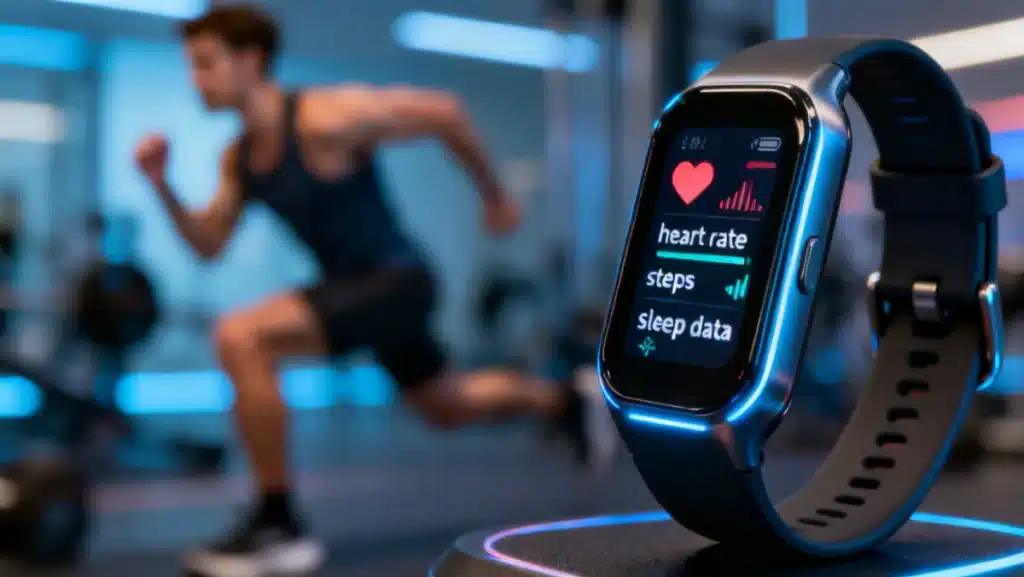
Heart Rate Monitoring: A Vital Indicator
Continuous heart rate monitoring is paramount for assessing cardiovascular health and workout intensity.
Trackers provide resting heart rate, active heart rate, and heart rate variability (HRV) data.
This information helps users optimize exercise routines and identify potential stress or recovery needs.
Activity Levels: Steps, Distance, and Calories
Monitoring daily steps, distance covered, and calories burned remains a foundational aspect of fitness tracking.
These metrics offer a clear picture of overall physical activity throughout the day.
They are essential for setting realistic goals and maintaining an active lifestyle.
- Accurate step counting across various activities.
- Precise distance measurement for walking and running.
- Reliable calorie expenditure estimations based on personal data.
Sleep Quality and Recovery Insights
Beyond active hours, sleep plays a critical role in overall health and recovery.
Modern fitness trackers excel at providing detailed insights into sleep patterns.
These insights are crucial for understanding how well your body recovers and prepares for the next day’s activities.

Sleep Stages: Deep, REM, and Light Sleep
Tracking sleep stages helps users understand the quality of their rest.
Adequate deep and REM sleep are vital for physical restoration and cognitive function.
Devices that differentiate these stages offer superior insights into sleep health.
Recovery Metrics: Interpreting Your Body’s Readiness
Advanced fitness trackers now offer recovery scores or readiness metrics.
These scores often combine heart rate variability, sleep quality, and recent activity data.
They provide a comprehensive assessment of your body’s preparedness for physical exertion.
Stress Management and Mental Well-being
The scope of fitness tracking has expanded to include mental well-being alongside physical health.
Stress management features are becoming increasingly important for holistic health monitoring.
Practical Solutions: Selecting the Best Fitness Tracker – 8 Metrics to Monitor Daily should include devices capable of assessing stress levels.
Stress Levels and Relaxation Guidance
Many trackers now estimate stress levels based on heart rate variability and other physiological markers.
Some even offer guided breathing exercises or relaxation prompts to help users manage stress in real-time.
This integration of mental health support is a significant advancement in wearable technology.
Blood Oxygen Saturation (SpO2) Monitoring
Monitoring SpO2 levels can provide critical insights into respiratory health and sleep quality.
Low oxygen saturation during sleep can indicate conditions like sleep apnea.
This metric is especially valuable for athletes and individuals with specific health concerns.
Advanced Health Monitoring Capabilities
The evolution of fitness trackers has introduced more sophisticated health monitoring features.
These capabilities move beyond basic activity tracking to offer medical-grade insights.
For those seeking Practical Solutions: Selecting the Best Fitness Tracker – 8 Metrics to Monitor Daily, these advanced features are noteworthy.
Electrocardiogram (ECG) for Heart Health
ECG functionality on a fitness tracker can detect signs of atrial fibrillation (AFib), a common heart rhythm disorder.
While not a diagnostic tool, it can alert users to potential issues, prompting further medical consultation.
This feature adds a significant layer of proactive health monitoring.
Skin Temperature Tracking for Illness Detection
Some newer models include skin temperature sensors, which can track subtle changes over time.
Variations in skin temperature might indicate the onset of illness or changes in a woman’s menstrual cycle.
This passive monitoring offers early detection possibilities for various health conditions.
Optimizing Your Daily Monitoring Routine
Having a fitness tracker is only the first step; effectively utilizing its data is key.
Establishing a routine for reviewing your metrics can significantly enhance your health outcomes.
Understanding how to interpret the data is part of the Practical Solutions: Selecting the Best Fitness Tracker – 8 Metrics to Monitor Daily.
Setting Personalized Goals and Alerts
Configure your tracker to provide personalized goals for steps, sleep, and activity.
Utilize smart alerts to remind you to move or to wind down for sleep.
This proactive approach helps in maintaining consistency and achieving targets.
Data Integration with Health Apps and Professionals
Ensure your chosen fitness tracker integrates seamlessly with other health applications.
The ability to share data with healthcare providers can facilitate more informed medical advice.
This connectivity is vital for a holistic view of your health.
Choosing the Right Tracker for Your Needs
With numerous options available, selecting the best fitness tracker requires careful consideration of your individual needs and goals.
The focus on Practical Solutions: Selecting the Best Fitness Tracker – 8 Metrics to Monitor Daily emphasizes functionality over marketing hype.
Prioritize devices that offer the metrics most relevant to your personal health objectives.
Understanding Battery Life and Durability
A tracker’s battery life directly impacts its usability for continuous monitoring.
Consider devices with multi-day battery life to avoid frequent charging interruptions.
Durability and water resistance are also crucial for daily wear and varied activities.
User Interface and Data Presentation
An intuitive user interface and clear data presentation are essential for effective monitoring.
The ability to easily access and understand your metrics on the device or companion app is key.
A complicated interface can deter consistent use and data review.
The Future of Wearable Health Technology
The landscape of wearable health technology is continuously evolving, promising even more advanced features.
Innovations are focused on greater accuracy, predictive analytics, and seamless integration into daily life.
For those seeking Practical Solutions: Selecting the Best Fitness Tracker – 8 Metrics to Monitor Daily, staying informed about these trends is beneficial.
AI-Powered Health Insights and Predictive Analytics
Future trackers will likely leverage artificial intelligence to offer more personalized and predictive health insights.
This could include early warnings for illness or tailored recommendations for optimizing performance.
The shift towards proactive health management is a defining trend.
Enhanced Biometric Sensors and Non-Invasive Monitoring
Research is ongoing to develop new biometric sensors capable of non-invasive monitoring of various health markers.
This could include glucose monitoring or continuous blood pressure readings directly from the wrist.
These advancements will further solidify the role of fitness trackers in personal health management.
Impact and Implications
The widespread adoption of fitness trackers has profound implications for personal health management and preventative care. By focusing on Practical Solutions: Selecting the Best Fitness Tracker – 8 Metrics to Monitor Daily, individuals empower themselves with actionable data. This leads to more proactive health decisions, better understanding of lifestyle impacts, and improved communication with healthcare providers. The continuous evolution of these devices suggests a future where personal health monitoring becomes an even more integrated and indispensable part of our daily lives, transforming how we approach wellness and disease prevention.