Unveiling the Top 5 Smart Home Gadgets for Energy Savings: A Q2 Analysis
Advertisements
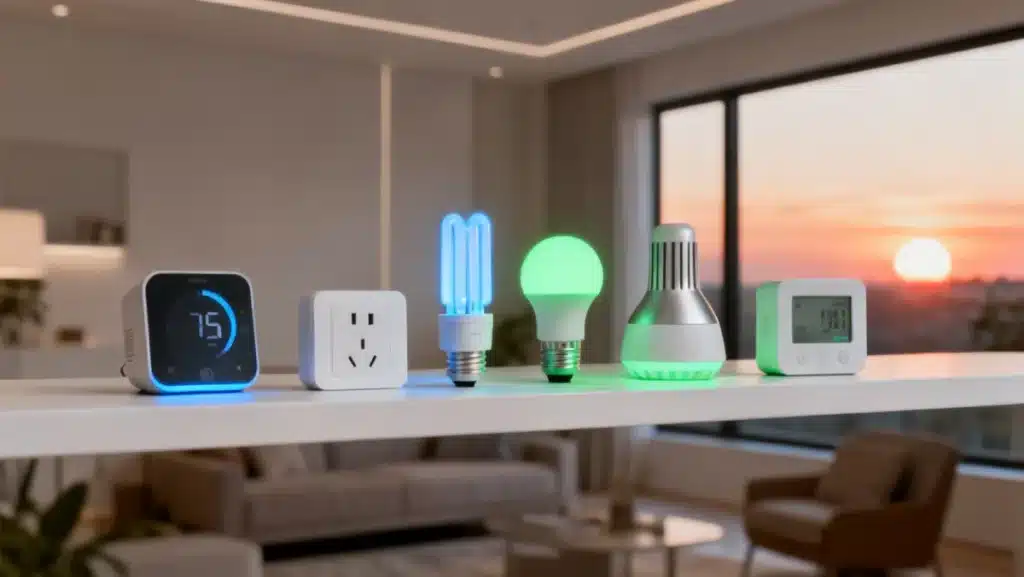
Our Q2 analysis reveals the top 5 smart home gadgets for energy savings, highlighting how these innovations are making significant strides in reducing household consumption and utility expenses. This comprehensive review offers insights into their impact.
Unveiling the Top 5 Smart Home Gadgets for Energy Savings: A Q2 Analysis
The landscape of home energy management is rapidly evolving.
Advertisements
Consumers are increasingly seeking innovative solutions to curb utility costs.
This Q2 analysis delves into the forefront of such advancements.
Unveiling the Top 5 Smart Home Gadgets for Energy Savings: A Q2 Analysis shows a clear trend towards integrated, intelligent systems designed for maximum efficiency. These devices not only promise significant reductions in energy consumption but also offer unparalleled convenience. Understanding their impact is crucial for any homeowner looking to optimize their living space. Our focus remains on factual and up-to-date information, providing a comprehensive overview of what truly stands out in the current market.
The Rise of Intelligent Thermostats in Q2
Smart thermostats continue to dominate the energy-saving gadget market.
Their ability to learn household patterns and adjust temperatures accordingly is key.
This Q2 analysis highlights significant advancements in their predictive capabilities.
Leading models now integrate seamlessly with weather forecasts and occupancy sensors, further refining their energy optimization strategies. The data from Q2 indicates a substantial increase in user adoption, driven by tangible savings on heating and cooling bills. This ongoing evolution makes intelligent thermostats a cornerstone of any strategy focused on Smart Home Energy Savings.
Predictive Learning and Zoned Control
Modern smart thermostats excel at anticipating energy needs.
They adapt to daily routines, ensuring comfort without waste.
Zoned control capabilities further enhance their efficiency.
This allows homeowners to manage temperatures in individual rooms or areas, preventing energy expenditure in unoccupied spaces. The sophistication of these systems means less manual intervention and more consistent savings. Our Unveiling the Top 5 Smart Home Gadgets for Energy Savings: A Q2 Analysis reveals these features as critical differentiators.
Smart Lighting Systems: Beyond Basic Efficiency
Smart lighting has moved far beyond simple LED replacements.
These systems now offer dynamic control and adaptive illumination.
Their role in overall energy reduction is increasingly significant.
The latest iterations allow for scheduling, motion detection, and even daylight harvesting, ensuring lights are only on when and where needed. This advanced functionality contributes substantially to reducing electricity consumption. The ongoing Unveiling the Top 5 Smart Home Gadgets for Energy Savings: A Q2 Analysis clearly demonstrates their growing influence on household efficiency.
Adaptive Illumination and Occupancy Sensors
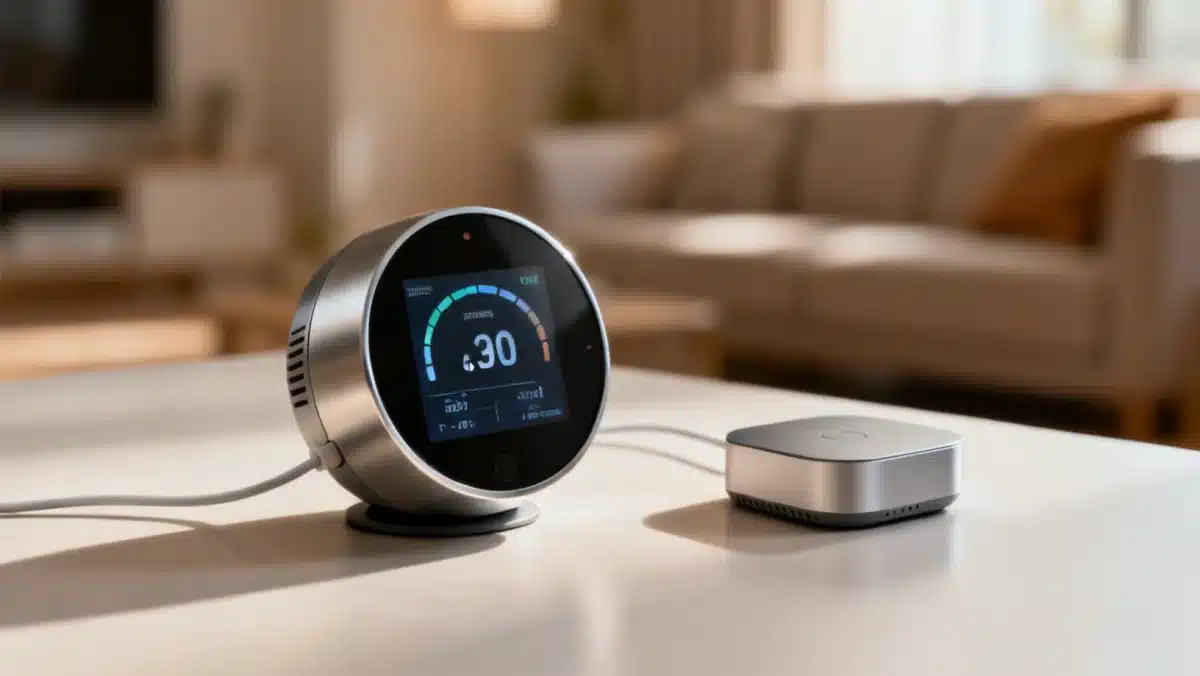
Adaptive illumination adjusts light intensity based on ambient conditions.
This prevents over-lighting and conserves energy effectively.
Occupancy sensors ensure lights turn off in empty rooms.
These features, often integrated into a broader smart home ecosystem, provide a seamless energy-saving experience. They represent a key component in the broader effort towards Smart Home Energy Savings. The Q2 data underscores their effectiveness in real-world scenarios, making them a top contender.
- Automated dimming based on natural light.
- Scheduled on/off times for enhanced security and savings.
- Integration with voice assistants for hands-free control.
- Long lifespan of LED components reduces replacement costs.
Energy Monitoring Devices: Unveiling Hidden Consumption
Understanding where energy is consumed is the first step to saving it.
Energy monitoring devices provide granular insights into usage patterns.
These gadgets are indispensable for informed decision-making.
From whole-home monitors to individual smart plugs, these tools empower users to identify energy-hungry appliances and make necessary adjustments. Our Unveiling the Top 5 Smart Home Gadgets for Energy Savings: A Q2 Analysis emphasizes their foundational role in achieving true energy efficiency. They transform abstract energy bills into actionable data.
Real-time Data and Appliance-Level Tracking
Real-time data streams allow for immediate feedback on energy use.
Appliance-level tracking pinpoints specific consumption culprits.
This level of detail was once unattainable for the average homeowner.
Now, with user-friendly interfaces and mobile app integration, anyone can become an energy detective. This intelligence is vital for optimizing consumption strategies, a core tenet of Smart Home Energy Savings. The Q2 reports show a growing appreciation for these diagnostic tools.
Smart Plugs: Simple Yet Powerful Savers
Smart plugs offer an accessible entry point into smart home energy management.
They turn any ordinary appliance into a controllable, energy-efficient device.
Their simplicity belies their significant impact on standby power waste.
By allowing users to remotely switch off devices or schedule their operation, smart plugs eliminate phantom load, which can account for a surprising percentage of a household’s electricity bill. This ease of use makes them a popular choice in our Unveiling the Top 5 Smart Home Gadgets for Energy Savings: A Q2 Analysis. They are a quick win for immediate savings.
Automated Window Coverings: Climate Control Through Light
Automated window coverings play a subtle yet crucial role in energy efficiency.
They manage solar gain and heat loss, directly influencing indoor climate.
Their integration into smart home systems is a growing trend.
By automatically adjusting based on time of day, sunlight intensity, or even indoor temperature, these coverings reduce the workload on HVAC systems. This innovative approach to passive climate control is gaining traction. The Unveiling the Top 5 Smart Home Gadgets for Energy Savings: A Q2 Analysis highlights their increasing sophistication and contribution to overall home efficiency.
Optimizing Thermal Comfort and Reducing HVAC Load
Smart blinds and shades can block intense summer sun, preventing overheating.
In winter, they can insulate windows, reducing heat escape.
This dynamic adjustment significantly lessens HVAC reliance.
The ability to integrate these coverings with smart thermostats creates a cohesive system for maintaining optimal indoor temperatures with minimal energy input. This holistic approach to Smart Home Energy Savings is proving highly effective. Q2 data indicates a strong future for these integrated solutions.
Smart Appliances: The Next Frontier in Connected Homes
Smart appliances are transforming kitchens and laundry rooms.
They offer optimized cycles and remote management for efficiency.
Their impact on overall household energy consumption is substantial.
From refrigerators that learn usage patterns to washing machines that optimize water and energy based on load size, these devices are designed to minimize waste. The ongoing Unveiling the Top 5 Smart Home Gadgets for Energy Savings: A Q2 Analysis shows a clear trajectory towards more intelligent, interconnected home devices. This represents a significant leap forward in comprehensive energy management.
Demand Response and Optimized Operation
Many smart appliances can participate in demand response programs.
They automatically adjust operation during off-peak hours, saving money.
This capability benefits both consumers and the power grid.
The integration of AI into appliance controls allows for increasingly efficient operation, learning from user habits and external factors. This proactive approach to consumption is a cornerstone of advanced Smart Home Energy Savings. Q2 adoption rates reflect a growing consumer interest in these high-tech solutions.
What Happens Now
The trajectory for Smart Home Energy Savings is clearly upward, driven by continuous innovation and increasing consumer awareness. The Q2 analysis underscores a pivotal shift towards integrated, data-driven solutions that offer both convenience and tangible financial benefits. We anticipate further advancements in AI and machine learning, leading to even more personalized and predictive energy management systems. Homeowners should continue to monitor these developments, as the potential for substantial savings and environmental impact is only growing. The market is poised for continued expansion, with new technologies constantly emerging to redefine home efficiency.