Mobile Shopping Best Practices: 7 Tips for Secure & Efficient Purchases

Advertisements
Navigating the complexities of mobile commerce demands a strategic approach to security and efficiency. Implementing robust Mobile Shopping Best Practices is essential for safeguarding personal and financial data. This guide provides 7 key strategies to optimize your mobile purchasing experience effectively.
Mobile Shopping Best Practices have become indispensable in today’s digital landscape. As consumers increasingly rely on smartphones for purchases, understanding how to shop safely is paramount.
This comprehensive guide details seven critical tips to ensure your mobile transactions are secure and efficient. Stay informed to protect your financial well-being and enhance your online experience.
Advertisements
Mobile Shopping Best Practices: 7 Tips for Secure and Efficient Purchases on Your Phone
The rise of mobile commerce has transformed how consumers interact with retailers. With convenience at our fingertips, the importance of robust Mobile Shopping Best Practices cannot be overstated.
Ensuring secure and efficient purchases on your phone is no longer a luxury but a necessity. This article explores key strategies to mitigate risks and enhance your mobile shopping experience.
Prioritize Strong, Unique Passwords and Biometric Authentication
Establishing robust security begins with your login credentials. Weak passwords are a primary vulnerability in mobile shopping. It is crucial to employ strong, unique combinations for every online account.
Biometric authentication adds an invaluable layer of security. Features like fingerprint scans and facial recognition offer enhanced protection, significantly bolstering your Mobile Shopping Best Practices.
Leverage Password Managers for Enhanced Security
Managing numerous complex passwords can be challenging without assistance. Password managers provide a secure solution for generating and storing unique credentials. These tools encrypt your login information, making it accessible only to you.
Integrating a reliable password manager into your routine is a foundational element of effective Mobile Shopping Best Practices. This minimizes the risk of unauthorized access to your shopping accounts.
Always Use Secure and Trusted Wi-Fi Connections
Public Wi-Fi networks, while convenient, often lack adequate security protocols. Transacting over unsecured networks exposes your data to potential interception by malicious actors. Always opt for private, password-protected connections when making purchases.
If a secure private network is unavailable, consider using your mobile data. This simple step is a critical component of maintaining strong Mobile Shopping Best Practices and protecting sensitive information.
Verify Website Security Certificates (HTTPS)
Before entering any personal or payment information, always confirm the website’s security. Look for ‘HTTPS’ in the URL and a padlock icon in your browser’s address bar. This indicates that the connection is encrypted, protecting your data during transmission.
Ignoring this visual cue can expose your information to cyber threats. Diligently checking for these indicators is a non-negotiable aspect of responsible Mobile Shopping Best Practices.
Regularly Update Your Device and Shopping Apps
Software updates are not merely about new features; they often include critical security patches. Keeping your smartphone’s operating system and all shopping applications updated is essential for closing known vulnerabilities that attackers might exploit.
Outdated software can be a gateway for cybercriminals to access your device and personal information. Consistent updates are a fundamental aspect of maintaining effective Mobile Shopping Best Practices.
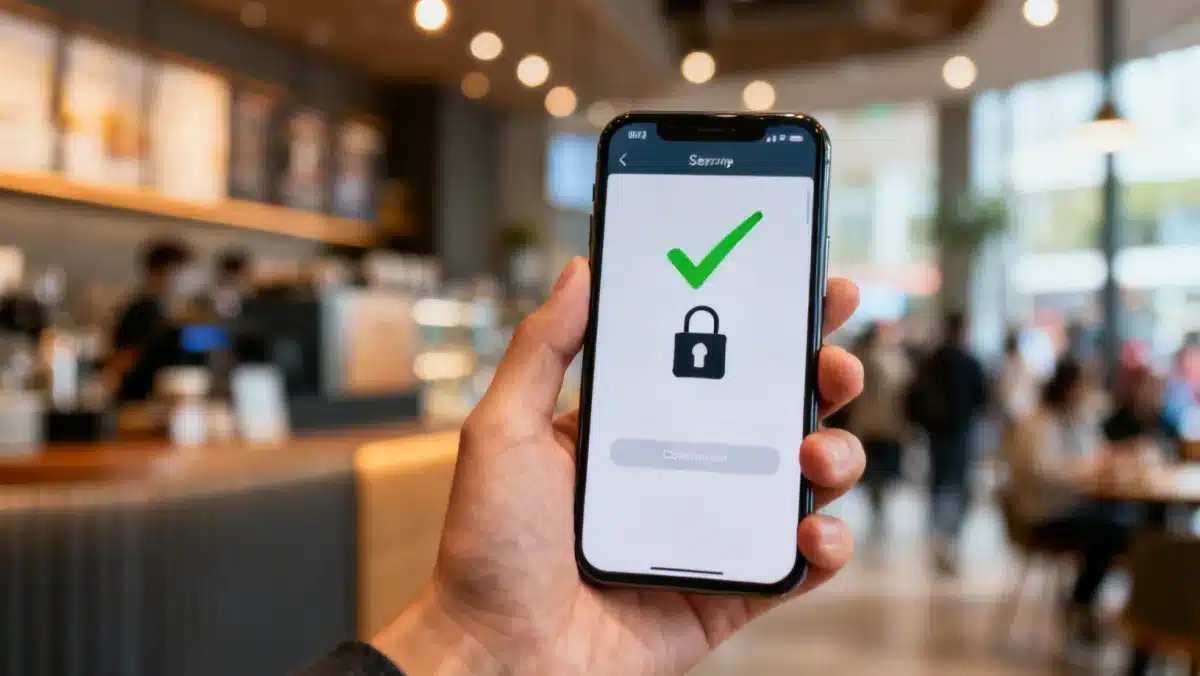
Enable Two-Factor Authentication (2FA)
Two-Factor Authentication (2FA) adds another layer of security beyond just a password. This often involves a code sent to your phone or generated by an authenticator app. Even if your password is compromised, 2FA prevents unauthorized access.
Many major retailers and payment platforms offer 2FA as an option. Activating it across all your accounts is a smart move, significantly enhancing your adherence to Mobile Shopping Best Practices.
- Always activate 2FA on financial and shopping apps.
- Use authenticator apps over SMS for stronger security.
- Regularly review and update your 2FA settings.
- Be wary of requests to disable 2FA, even from official-looking sources.
Monitor Bank and Credit Card Statements Diligently
Even with the most stringent security measures, vigilance remains key. Regularly reviewing your bank and credit card statements for any unauthorized transactions is crucial. Early detection of suspicious activity can prevent significant financial loss.
Many financial institutions offer real-time transaction alerts. Subscribing to these services provides immediate notification of any charges. This proactive monitoring is a cornerstone of sound Mobile Shopping Best Practices.
Understand Return Policies and Data Privacy
Before finalizing a purchase, take a moment to review the retailer’s return policy and privacy statement. Understanding these terms can save you future headaches if an item needs to be returned or if you have concerns about how your data is handled.
Reputable retailers will have clear, accessible policies. Familiarizing yourself with these is part of being an informed consumer and practicing effective Mobile Shopping Best Practices.
Be Wary of Phishing Attempts and Suspicious Links
Phishing remains a pervasive threat, with scammers attempting to trick users into revealing sensitive information. Be extremely cautious of unsolicited emails, texts, or pop-ups asking for personal details or directing you to unfamiliar websites. Always verify the sender’s authenticity.
Never click on suspicious links; instead, navigate directly to the retailer’s official website. This vigilance is a vital component of robust Mobile Shopping Best Practices.
Use Reputable Payment Methods
Stick to well-known and secure payment methods such as credit cards, PayPal, or Apple Pay. These services often provide buyer protection and fraud detection mechanisms that debit cards or less common payment options may lack.
Credit cards, in particular, offer stronger consumer protections against fraud. Choosing these established payment gateways is a smart move for anyone adopting reliable Mobile Shopping Best Practices.
What This Means for the Future of Mobile Shopping
The landscape of mobile shopping continues to evolve rapidly, necessitating constant adaptation of security protocols. The integration of advanced AI in fraud detection and increasingly sophisticated biometric authentication methods will further refine Mobile Shopping Best Practices. Consumers who prioritize these strategies will navigate the digital marketplace with greater confidence and protection against emerging threats. Staying informed and proactive is key to secure and efficient mobile commerce.