Price Drop Alerts: Get 20% Back on Purchases in 90 Days
Advertisements
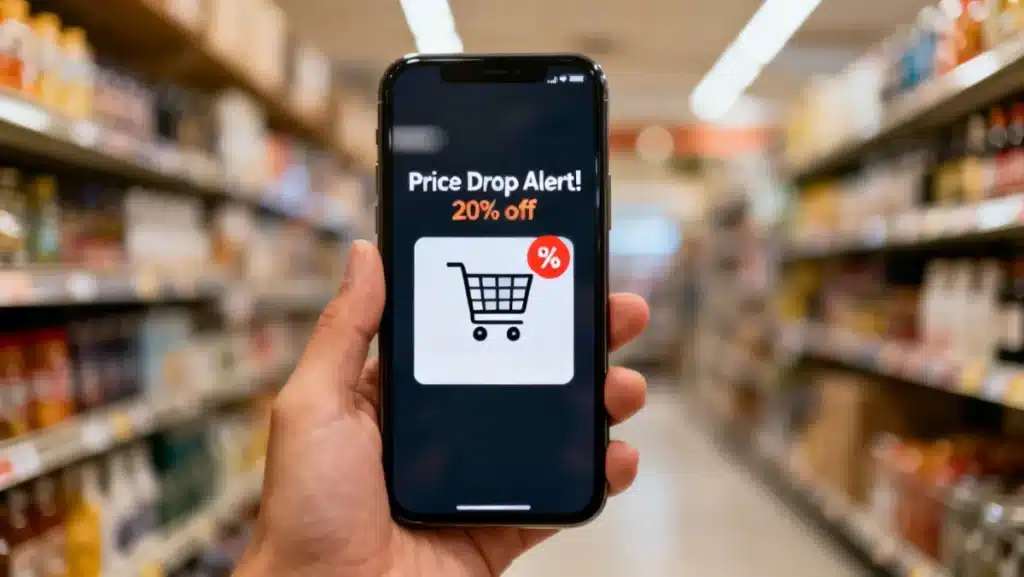
Price Drop Alerts are revolutionizing consumer savings. Shoppers can now leverage these tools to secure significant refunds, often up to 20% back on purchases within 90 days, by tracking price fluctuations after a transaction. This strategy empowers consumers to optimize their spending effectively.
Price Drop Alerts: How to Get 20% Back on Purchases Within 90 Days
Consumers are constantly seeking smarter ways to manage their finances.
Advertisements
The emergence of Price Drop Alerts: How to Get 20% Back on Purchases Within 90 Days offers a powerful new avenue for savings.
This mechanism allows shoppers to reclaim a portion of their spending when prices fall post-purchase.
Understanding the Mechanics of Price Protection Programs
Price protection has become a critical feature for savvy consumers.
It essentially acts as an insurance policy against immediate price fluctuations.
Understanding how these programs work is the first step toward maximizing your savings with Price Drop Alerts.
The Role of Credit Card Benefits
Many credit card companies offer built-in price protection.
These benefits typically refund the difference if an item you bought drops in price.
Eligibility often requires the purchase to be made with that specific card.
Retailer-Specific Price Adjustment Policies
Beyond credit cards, numerous retailers also have their own price adjustment policies.
These policies vary widely but generally allow customers to claim a refund.
This applies if a purchased item goes on sale shortly after the initial transaction.
Leveraging Technology for Effective Price Drop Alerts
The days of manually tracking prices are largely over.
Today, advanced tools and applications simplify the process.
These digital solutions are key to successful Price Drop Alerts: How to Get 20% Back on Purchases Within 90 Days.
Dedicated Price Tracking Apps
Several apps specialize in monitoring prices across various retailers.
Users simply input their purchase details, and the app does the rest.
It then notifies them if a price drop occurs within the eligible window.
Browser Extensions and Plugins
Browser extensions offer another convenient way to stay informed.
These tools often integrate directly with online shopping sites.
They can alert you to current price drops or even historical pricing data.
The 90-Day Window: Maximizing Your Refund Opportunities
The 90-day window is a common timeframe for price protection policies.
This period provides ample opportunity to catch significant price reductions.
Strategic monitoring within these 90 days is crucial for getting 20% back.
Setting Up Timely Notifications
Configuring real-time notifications is essential.
This ensures you are immediately aware of any qualifying price changes.
Prompt action is often required to claim the refund successfully.
Understanding Policy Limitations and Exclusions
Not all purchases are eligible for price protection.
Certain categories, like perishable goods or services, are typically excluded.
Familiarizing yourself with these limitations prevents wasted effort.

Strategies for Identifying Eligible Purchases
Identifying which purchases are most likely to benefit from Price Drop Alerts is a refined skill.
Certain product categories and shopping behaviors yield better results.
This proactive approach enhances your chances of securing a 20% refund.
High-Value Electronics and Appliances
Electronics and major appliances frequently experience price adjustments.
These items often have substantial initial costs, making a 20% refund significant.
Monitoring these categories specifically can lead to substantial savings.
Seasonal Purchases and Holiday Sales
Items bought just before or during major sales events are prime candidates.
Retailers frequently adjust prices to remain competitive.
Strategic purchasing around these times can maximize your Price Drop Alerts potential.
The Claim Process: Steps to Get Your 20% Back
Once a price drop is identified, the claim process must be navigated correctly.
Each credit card company or retailer has specific requirements.
Adhering to these steps ensures a successful refund for Price Drop Alerts.
Gathering Necessary Documentation
Typically, you will need your original receipt and proof of the lower price.
Screenshots or links to the current lower-priced item are usually sufficient.
Some providers may also request original advertisements or flyers.
Submitting Your Claim
Claims are often submitted online through a dedicated portal or via phone.
Be prepared to provide all requested information accurately and promptly.
This diligence ensures your Price Drop Alerts claim is processed efficiently.
- Keep all purchase receipts digitally and physically.
- Subscribe to price tracking services for automated alerts.
- Understand your credit card’s specific price protection terms.
- Act quickly once a price drop notification is received.
The Economic Impact of Widespread Price Drop Alerts Adoption
The broader adoption of Price Drop Alerts has significant economic implications.
It shifts power dynamics slightly in favor of the consumer.
This trend encourages more transparent and competitive pricing practices.
Increased Consumer Confidence
Knowing that purchases are protected can boost consumer confidence.
This assurance may encourage more spending, knowing there’s a safety net.
It fosters a sense of security in purchasing decisions.
Retailer Adaptations and Competitive Pricing
Retailers are responding by refining their pricing strategies.
Some are offering more aggressive initial pricing to mitigate post-purchase refunds.
Others are integrating price protection directly into their loyalty programs, enhancing the appeal of Price Drop Alerts: How to Get 20% Back on Purchases Within 90 Days.
Future Trends in Price Protection and Consumer Savings
The landscape of consumer savings is continuously evolving.
Innovations in AI and data analytics are set to further enhance price protection.
These advancements will make Price Drop Alerts even more sophisticated and accessible.
Predictive Pricing Models
AI-driven tools may soon predict future price drops with higher accuracy.
This could allow consumers to time their purchases even more effectively.
It moves beyond reactive alerts to proactive saving strategies.
Blockchain for Transparent Pricing Records
Blockchain technology could offer immutable records of pricing data.
This would simplify the verification process for Price Drop Alerts claims.
It would provide an unalterable ledger of price fluctuations over time.
What This Means for the Savvy Shopper
The continued evolution of Price Drop Alerts means greater empowerment for consumers. The ability to consistently get 20% back on purchases within 90 days transforms incidental savings into a strategic financial practice. Savvy shoppers must remain informed about new tools and policy changes, ensuring they leverage every opportunity. This trend reinforces a market where informed consumers can significantly impact their personal finances and encourage more transparent retail practices, ultimately benefiting everyone involved in the purchasing cycle. Embracing Price Drop Alerts is no longer just a perk; it is becoming a fundamental aspect of smart financial management.