Smart Lighting Systems: 5 Features That Reduce Energy Consumption by 25%
Advertisements
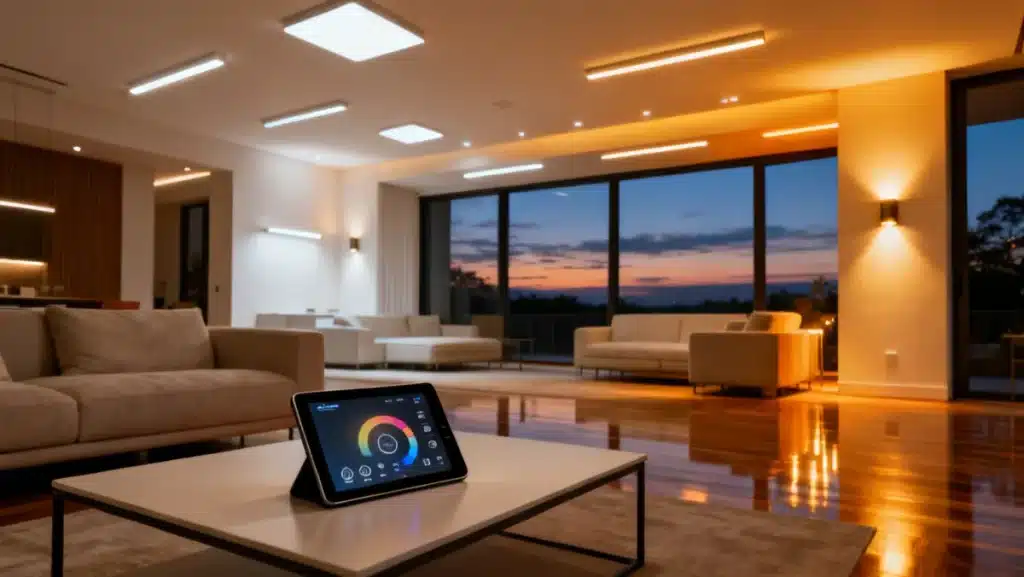
Smart Lighting Systems: 5 Features That Reduce Energy Consumption by 25% are reshaping how we consume electricity. Advanced features provide significant energy reduction. These systems are now essential for modern energy management.
Smart Lighting Systems: 5 Features That Reduce Energy Consumption by 25%
The landscape of energy consumption is undergoing a profound transformation, driven by technological advancements. Among the most impactful innovations are Smart Lighting Systems: 5 Features That Reduce Energy Consumption by 25%.
Advertisements
These systems are not merely about convenience; they represent a critical shift towards sustainable and cost-effective energy use. Understanding their core features is key to unlocking their full potential.
As we move further into the decade, the integration of smart technology in everyday living becomes more prevalent, with lighting at the forefront of this revolution. The economic and environmental benefits are undeniable.
The Dawn of Intelligent Illumination and Energy Savings
Intelligent illumination is no longer a futuristic concept but a present-day reality, significantly impacting energy usage. Smart lighting systems offer capabilities far beyond traditional on/off switches, leading to substantial savings. These advancements are crucial for both residential and commercial sectors seeking to optimize their operational costs.
The adoption of these systems is accelerating globally, driven by increased awareness of energy efficiency and the rising cost of electricity. Implementing Smart Lighting Systems: 5 Features That Reduce Energy Consumption by 25% is becoming a strategic move for forward-thinking entities.
This evolution brings forth a new paradigm where lighting actively contributes to energy conservation rather than being a passive consumer. The shift is not just about technology; it’s about smarter resource management.
Dynamic Dimming and Scheduling Capabilities
One of the primary features enabling Smart Lighting Systems: 5 Features That Reduce Energy Consumption by 25% is dynamic dimming. This allows users to adjust light intensity based on need, preventing over-illumination and unnecessary power draw. Scheduling further enhances efficiency by automating lighting cycles.
Scheduled lighting ensures that spaces are illuminated only when required, aligning with daily routines or business hours. This granular control minimizes wasted energy, making it a cornerstone of smart lighting solutions.
The ability to program lighting to dim or switch off during specific periods or daylight hours provides a tangible reduction in energy bills. This feature alone can account for a significant portion of the overall savings.
Occupancy and Motion Sensors for Optimized Use
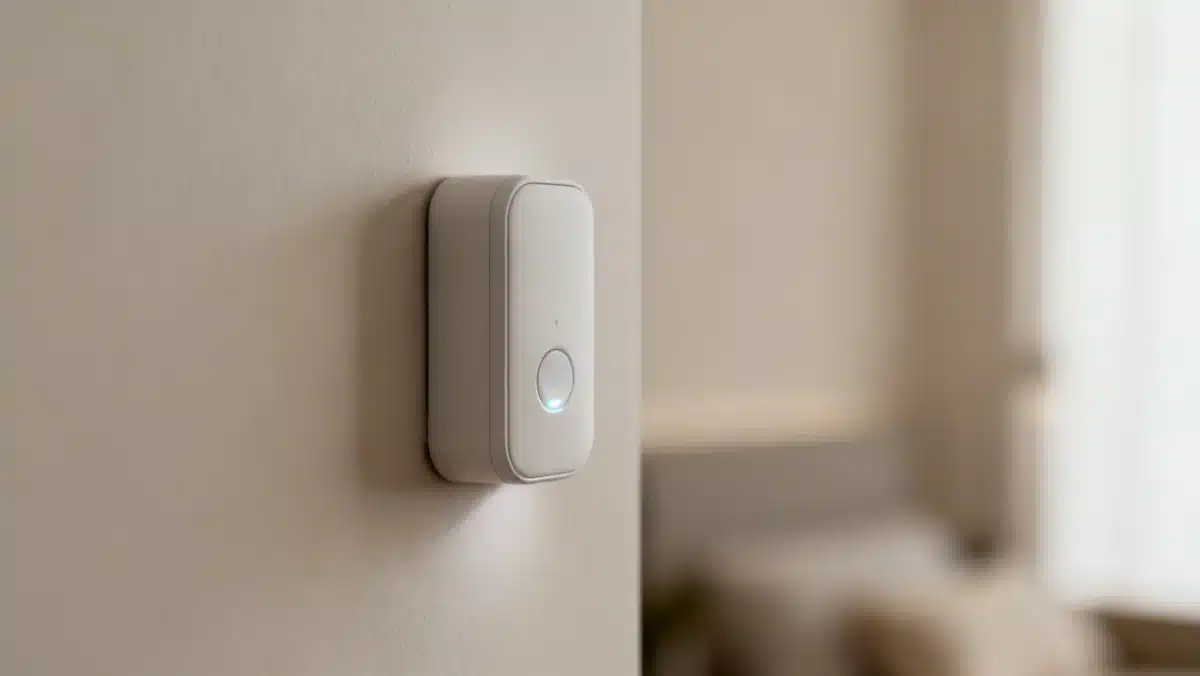
Occupancy and motion sensors are pivotal in ensuring that light is only provided when a space is in use. These intelligent detectors automatically switch lights on when someone enters a room and off when it becomes vacant. This prevents lights from remaining on in empty areas.
The integration of these sensors into Smart Lighting Systems: 5 Features That Reduce Energy Consumption by 25% marks a significant leap in energy management. They offer a hands-free approach to conservation, eliminating human error in leaving lights on.
From offices to hallways and storage rooms, sensor-driven lighting ensures efficiency without compromising convenience. This automation directly translates into reduced energy consumption and lower utility expenses.
Adaptive Lighting with Daylight Harvesting
Daylight harvesting is a sophisticated feature that leverages natural light to reduce artificial illumination. Sensors detect ambient light levels and adjust the output of electric lights accordingly, often dimming them when sufficient natural light is available. This intelligent adaptation ensures optimal lighting conditions while conserving energy.
This capability is particularly effective in buildings with ample windows or skylights, maximizing the use of free natural light. It represents a proactive approach to energy conservation, harmonizing artificial and natural light sources.
Integrating this feature into Smart Lighting Systems: 5 Features That Reduce Energy Consumption by 25% can lead to substantial energy savings, especially during daylight hours. It demonstrates the system’s ability to respond intelligently to environmental factors.
Color Temperature Tuning for Human-Centric Lighting
Beyond mere brightness, color temperature tuning allows for adjustments to the warmth or coolness of light. While primarily a comfort feature, it indirectly contributes to energy efficiency by creating environments where less intense light feels more appropriate. Human-centric lighting aims to synchronize with circadian rhythms, impacting well-being and productivity.
By providing the right type of light at the right time, occupants may perceive spaces as adequately lit with lower lumen output. This subtle yet impactful feature enhances the overall user experience while supporting energy goals. Smart Lighting Systems: 5 Features That Reduce Energy Consumption by 25% often include this advanced capability.
The ability to fine-tune color temperature can also reduce eye strain and improve focus, leading to healthier indoor environments. This holistic approach to lighting design benefits both people and energy budgets.
- Adjusts light to match natural daylight cycles.
- Enhances occupant comfort and productivity.
- Allows for lower light intensity while maintaining perceived brightness.
- Supports significant energy savings through nuanced control.
Centralized Control and Remote Management
Centralized control is a cornerstone of modern Smart Lighting Systems: 5 Features That Reduce Energy Consumption by 25%. This feature allows users to manage all lighting fixtures from a single interface, whether it’s a dedicated control panel, a smartphone app, or a computer. This eliminates the need to manually adjust individual lights, streamlining operation and enhancing efficiency.
Remote management takes this a step further, enabling control from anywhere with an internet connection. Imagine adjusting your office lights from home or ensuring all lights are off after leaving the building. This level of control prevents energy waste from forgotten lights.
For large commercial spaces, centralized control is invaluable for managing diverse lighting zones and schedules. It provides a comprehensive overview and immediate adjustments, ensuring optimal energy use across an entire facility. This feature is critical for achieving the promised energy reduction.
Integration with Building Management Systems (BMS)
For larger installations, integrating smart lighting with Building Management Systems (BMS) offers unparalleled control and optimization. This allows lighting to work in concert with HVAC, security, and other building systems, creating a truly intelligent environment. Such integration maximizes energy efficiency across all building operations.
A BMS can collect data from various sensors and systems, making informed decisions about lighting needs in real-time. For instance, if the HVAC system detects a room is unoccupied, it can signal the lighting system to dim or turn off lights. This synergy amplifies the energy savings provided by Smart Lighting Systems: 5 Features That Reduce Energy Consumption by 25%.
This level of integration transforms a building into a responsive, energy-efficient ecosystem. It’s a prime example of how interconnected technologies can deliver significant operational benefits and cost reductions. The future of intelligent buildings hinges on such seamless integration.
Data Analytics and Performance Monitoring
One of the most underestimated yet powerful features of modern smart lighting is its ability to collect and analyze data. Smart Lighting Systems: 5 Features That Reduce Energy Consumption by 25% generate valuable insights into energy usage patterns, operational efficiency, and even occupancy trends. This data is crucial for continuous optimization.
By monitoring performance, users can identify areas of inefficiency, fine-tune settings, and make data-driven decisions to further reduce energy consumption. This iterative process ensures that the system is always operating at its peak efficiency. Real-time data dashboards provide actionable intelligence.
This analytical capability transforms lighting from a static utility into a dynamic, intelligent asset that actively contributes to energy management strategies. It’s about more than just turning lights on and off; it’s about understanding and optimizing every watt used.
Predictive Maintenance and System Health
Beyond energy consumption, data analytics in smart lighting extends to predictive maintenance. Systems can monitor the health of individual fixtures, anticipate failures, and even alert maintenance teams to potential issues before they become critical. This proactive approach reduces downtime and operational costs.
Understanding system health ensures that the Smart Lighting Systems: 5 Features That Reduce Energy Consumption by 25% continue to deliver their promised energy savings without interruption. It moves away from reactive repairs to preventative care, extending the lifespan of infrastructure.
This feature adds another layer of value, transforming lighting infrastructure into a more reliable and cost-effective asset. It’s a testament to how smart technology can optimize not just energy, but also maintenance and operational longevity.
Future-Proofing with Scalability and Interoperability
Investing in Smart Lighting Systems: 5 Features That Reduce Energy Consumption by 25% means investing in a future-proof solution. Modern systems are designed with scalability in mind, allowing for easy expansion and integration of new technologies as needs evolve. This ensures that your initial investment remains relevant and effective for years to come.
Interoperability is equally crucial, enabling smart lighting to communicate seamlessly with other smart devices and platforms. This open architecture fosters a truly connected environment, maximizing the benefits of a smart ecosystem. It avoids proprietary lock-ins and promotes flexibility.
The ability to adapt to future advancements and integrate with a wider range of smart home or building technologies makes these systems a wise long-term investment. They are designed to grow and evolve, safeguarding their energy-saving potential.
Enhanced Security and Safety Features
While primarily focused on energy, Smart Lighting Systems: 5 Features That Reduce Energy Consumption by 25% often come with enhanced security features. Programmable lighting patterns can simulate occupancy when a building is vacant, deterring potential intruders. This adds a layer of safety without additional energy expenditure.
Integration with security cameras and alarm systems can trigger specific lighting responses during security events, improving visibility and response times. Smart lighting becomes an active component of a comprehensive security strategy.
This dual functionality provides added value, making smart lighting an even more compelling investment for homes and businesses. It showcases how energy efficiency can go hand-in-hand with improved safety and peace of mind.
Looking Ahead: The Evolving Role of Smart Lighting
The evolution of Smart Lighting Systems: 5 Features That Reduce Energy Consumption by 25% is far from complete. As technology advances, we can expect even more sophisticated features and greater integration with other smart technologies. The focus will continue to be on maximizing energy efficiency, enhancing user experience, and reducing environmental impact.
Future developments may include more advanced AI-driven predictive capabilities, deeper integration with renewable energy sources, and even more personalized lighting experiences. These systems are set to play an increasingly central role in smart cities and sustainable infrastructure.
The ongoing commitment to innovation ensures that smart lighting will remain at the forefront of energy conservation efforts. Businesses and homeowners alike stand to benefit immensely from these continuous advancements, solidifying the position of Smart Lighting Systems: 5 Features That Reduce Energy Consumption by 25% as a critical component of modern living.